

CFDs are considered high-risk instruments due to leverage and fast-moving markets. One of the key advantages of CFD trading is that you only need to deposit a small percentage of the total trade value. FXTM’s margin calculator is a useful tool to help you to manage your margin on the FXTM Standard account.
In industry lingo, together they’re known as “retail FX/CFD contracts“. The key to the answer lies in the fact that the trader is trading a derivative, not the actual currencies themselves. They’re also often confused by the concept of selling something before buying it. In order to close the trade, you will do the opposite of the opening trade.
Conclusion on CFDs: High-Profit Potential With High Risk
Similarly, you can place stop-losses to mitigate CFD risks and restrict potential losses. A stop-loss is triggered at the level indicated priorly by a trader and will be executed at the next available price quotes. Note, however, that in case of volatile markets, lack of liquidity or big orders sizes can result in slippage. A guaranteed stop-loss can protect against slippage, yet it comes at a fee.
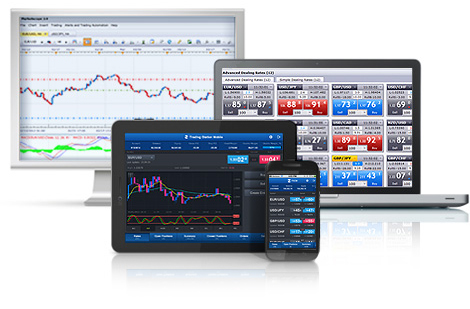
CFD Trading: The Ultimate Guide for Beginners and Pros in 2025

WR Trading is not a broker, our virtual simulator offers only simulated trading of a demo account. Prices, market execution can be different from real market situations. Based on this information, adapt a trading strategy that has historically worked for the underlying asset. Before deploying the strategy in live markets, consider testing it using a demo account to ensure its profitability. Utilizing a trading strategy is necessary as it provides guidelines and helps mitigate risks. The strategy you use depends on the underlying asset and market conditions.
What is CFD trading? (A full guide with benefits, risks and CFD trading examples)
With both long and short trades, profits and losses will be realized once the position is closed. Any loss in the value of the ABC Limited shares in your portfolio would be offset by a gain in your short CFD transaction if you decided to hedge your risk in this way. When markets are falling, a trader should establish a short position and close it when the price has fallen sufficiently to support or earn the required profit. You hedge to protect your profits or capital, especially in times of uncertainty.
Can I use CFDs for hedging?
At first glance, CFD trades can seem more confusing than traditional trades – so here are some examples to guide you through the opening and closing positions. While CFDs offer an attractive alternative to traditional markets, they also present potential pitfalls. Because a CFD allows you to trade on markets that are heading down as well as up, it is more flexible than other forms of trading. Enter your target entry price to prepare for the position you wish to take. If the price is near, try using a market order to enter the transaction right away. Registration is quick and fast, takes less than a minute, and includes a trading account with multiple popular Cryptocurrencies like Bitcoin, Ethereum and more.
- Novices and experienced traders approach the market with distinct perspectives and strategies.
- Proper risk management and use of stop loss and take profit orders is key to protecting you from undesired outcomes, if the market shifts in the opposite direction of your trade.
- Indicators like moving averages or support and resistance levels can help determine when an asset’s price is likely to reverse or continue its trend.
- You can buy (go long) if you expect prices to rise, or sell (go short) if you expect prices to fall.
- The same principle applies to EUR/USD (‘Weekend EUR/USD’) and USD/JPY (‘Weekend USD/JPY’).
- When it comes to buying and selling, you can only make money if prices are growing.
With a single CFD trading account, you can access multiple asset classes, including forex, indices, commodities, stocks, ETFs, and cryptocurrencies. CFD trading is designed to mimic trading each underlying market relatively closely. Our CFD prices are only driven by the movements of the underlying market.
CFDs, however, allow access to futures markets without full contract commitments. Trading financial products carries a high risk to your capital, particularly when engaging in leveraged transactions such as CFDs. It is important to note that between 74-89% of retail investors lose money when trading CFDs.
How are CFDs taxed?
If your prediction is correct, your short position would turn a profit and offset a proportion of the losses on your weekday Wall Street position. Trade on weekends with our exclusive 24/71 markets on GBP/USD, EUR/USD, USD/JPY, global indices, our full range of cryptocurrencies and our new weekend gold market. You can learn how CFD trading works by opening a demo account with us. Your account will be credited with $20,000 in virtual funds that you can use to practise and build your confidence in a risk-free environment.
What are commodity CFDs, and why trade commodity CFDs on Deriv?
Commodities are essential raw materials or primary agricultural products that can be traded in financial markets. In CFD trading, commodities let traders speculate on the price movements of various assets, including precious metals, energy products, agricultural products, and industrial metals. Trading commodities allows traders to diversify their portfolios and capitalize on global supply and demand dynamics. Bear in mind, though, that because they are leveraged, you can lose more than your margin amount in CFD trades as both losses and profits are calculated based on the entire value of your position. CFD (Contracts for Difference) trading is increasingly popular with everestex forex broker experienced investors, but anyone can try it.
Ability to Go Long or Short
This gives traders the flexibility to engage with multiple asset classes and strategies from one ecosystem, designed to accommodate different trading styles and experience levels. Trading is the buying and selling of financial instruments in order to make a profit. These instruments range from a variety of assets that are assigned a financial value that can go up or down – and you can trade on the direction they’ll take. It supports over 300 CFD instruments, offers zero‑commission trading, negative‑balance protection and multilingual support, and enables account setup and trading access across devices.
History of CFD brokers
When you trade CFDs, you buy a certain number of contracts on a market if you expect it to rise and sell them if you expect it to fall. CFD stands for ‘contract for difference’, a type of derivative product that you can use to speculate on the future direction of a market’s price. When trading via CFDs, you don’t take ownership of the underlying asset, which means you can take advantage of rising and falling markets by going long or short. That’s because your initial margin would only be 20% of the total $40,000 trade value ($8000).
In summary, CFD trading offers a versatile and dynamic approach to engage with financial markets. By understanding what CFD trading is, setting up the right trading account, and selecting the appropriate markets, you can position yourself for success. Making your first trade, employing risk management strategies, and leveraging advanced trading techniques can further enhance your trading performance. Before you start, we also suggest reading our guide on CFD trading tips and 7 top technical analysis strategies to add to your trading toolkit.
Traders Pay the Spread
In contrast, exchange-traded futures often involve upfront costs like commissions, exchange fees, and margin requirements. Futures contracts do not incur overnight financing charges since these costs are usually factored into the contract pricing itself. CFDs are typically flexible contracts without set expiration, allowing traders to speculate on various assets over any time frame. Futures, however, are standardised contracts with fixed expiration dates, often used in commodities for structured trading and hedging. While both provide leverage, futures can potentially offer deeper liquidity and transparent pricing on exchanges.
Pepperstone will provide us with an initial balance of €10,000 in virtual funds. We’ll practice trading risk-free with that until we get things working correctly. If you buy an asset – for example, gold or bitcoin – and the price goes up, the ‘difference’ between your entry price and exit price will represent your profit. If the price goes against you, the ‘difference’ between the entry and exit price will determine your loss. Make sure to read our Terms and Conditions, Risk Disclosure, and Secure and Responsible Trading to fully understand the risks involved before using our services. Please also note that the information on this website does not constitute investment advice.